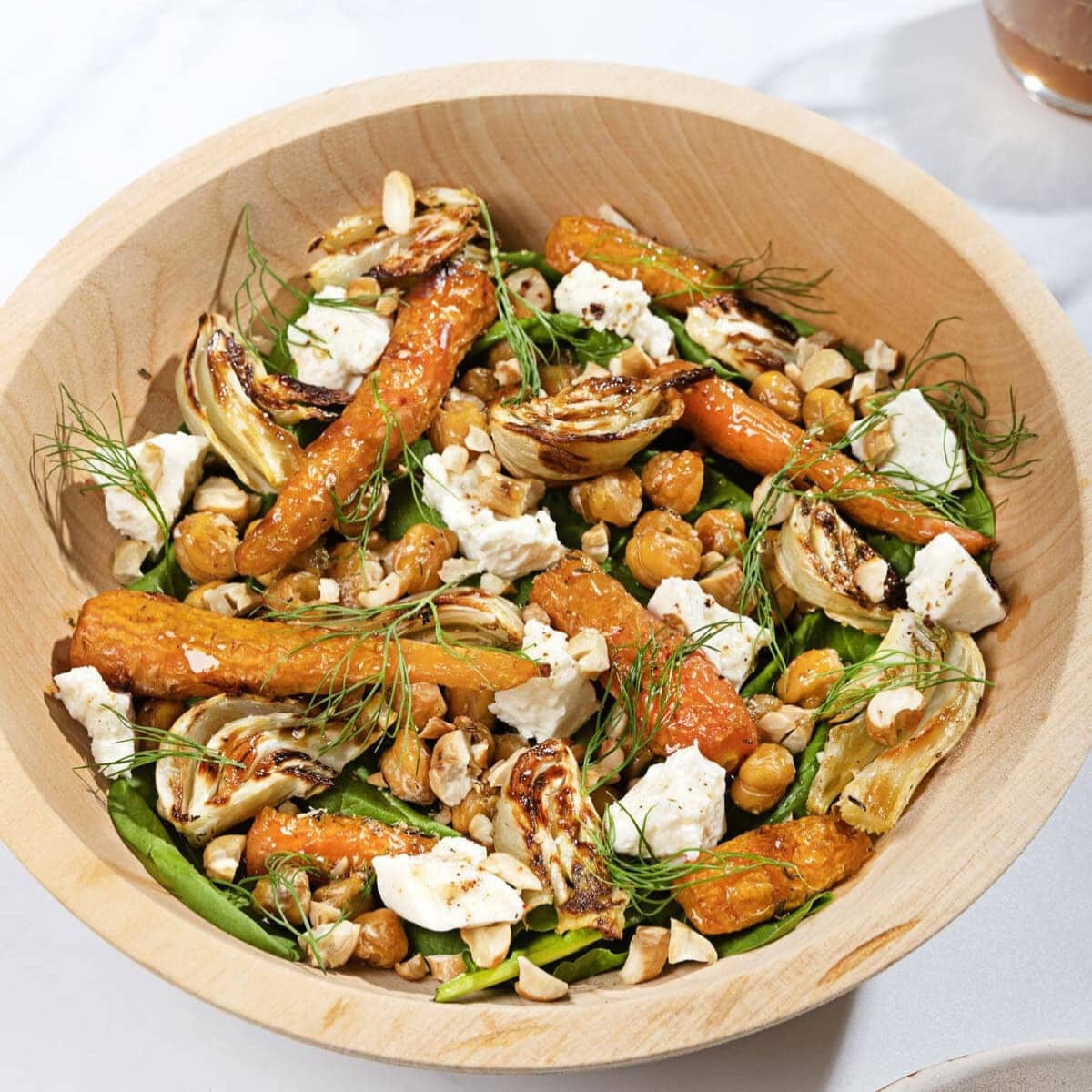
Welcome back to our comprehensive series on building robust, high-calorie vegetarian meals! In Article 1, we laid the essential groundwork, exploring the fundamental principles of safely and effectively increasing calorie intake on a plant-based diet. We covered the importance of healthy fats, complex carbohydrates, and plant-based protein. Following that, Article 2 delved deeper into specific nutrient-dense ingredients and practical strategies to seamlessly integrate more calories into your daily routine without resorting to unhealthy options.
Now, in this third installment, we aim to build upon that knowledge, offering an even more refined approach to mastering high calorie vegetarian meals. We'll explore advanced meal ideas, discuss consistent implementation, and provide practical tips to overcome common challenges, ensuring you can confidently achieve your caloric goals while enjoying delicious, wholesome plant-based food. Whether you're an athlete, looking to gain weight, or simply need more sustained energy, this article will equip you with the insights to elevate your vegetarian diet.
Mastering High-Calorie Vegetarian Meals: Beyond the Basics
Achieving a higher calorie intake on a vegetarian diet isn't just about eating more; it's about eating smarter. It's about selecting foods that are not only calorie-dense but also rich in nutrients, ensuring your body receives the fuel it needs for optimal function, recovery, and growth. This section focuses on reinforcing the core components and understanding how to truly maximize their caloric potential.
The Power of Healthy Fats and Complex Carbohydrates
Healthy fats and complex carbohydrates are the undisputed kings of calorie density in a vegetarian diet. They provide sustained energy and are crucial for weight gain and overall well-being. But how do we truly maximize their impact?
- Embrace Healthy Oils Generously: Don't shy away from cooking with extra virgin olive oil, avocado oil, or coconut oil. These can significantly boost the calorie count of stir-fries, roasted vegetables, and salads. Drizzle generously over finished dishes.
- Nuts, Seeds, and Butters as Staples: Almonds, walnuts, cashews, chia seeds, flax seeds, hemp hearts, and their respective butters are incredibly calorie-dense and nutrient-rich.
- Add a spoonful or two of almond butter to your oatmeal or smoothies.
- Sprinkle a handful of mixed seeds over salads, yogurts, or soups.
- Snack on trail mix throughout the day.
- Avocados: Your Creamy Calorie Ally: A single avocado can contain over 300 calories and is packed with healthy monounsaturated fats. Integrate it into sandwiches, salads, smoothies, or enjoy it mashed on whole-grain toast.
- Whole Grains with Purpose: While essential, simply eating whole grains isn't enough. Enhance their calorie density.
- Cook quinoa or brown rice with vegetable broth and a tablespoon of oil.
- Opt for whole wheat pasta dishes with creamy, cashew-based sauces or rich pesto.
- Load up baked sweet potatoes with beans, cheese/nutritional yeast, and a dollop of guacamole.
Amplifying Plant-Based Protein for Calorie Density
Protein is vital for muscle repair and satiety. While many plant-based protein sources are naturally lower in calories than their animal counterparts, smart choices and combinations can make a significant difference in your high calorie vegetarian meals.
- Legumes as a Foundation: Lentils, chickpeas, black beans, kidney beans, and cannellini beans are excellent protein sources. Cook them in dishes that also incorporate healthy fats, like creamy curries with coconut milk, hearty stews with olive oil, or robust chili.
- Tofu, Tempeh, and Seitan: Versatile Powerhouses: These provide concentrated protein.
- Fry tofu or tempeh in ample oil until crispy.
- Use extra-firm tofu that's been pressed to absorb more marinades and oils.
- Incorporate seitan into hearty stews or as a grilled protein option with high-calorie sauces.
- Vegetarian Protein Powders: A convenient way to add a calorie and protein punch to smoothies, oatmeal, or baked goods. Look for options derived from peas, rice, or hemp. Adding a scoop to a smoothie with nut butter and fruit can turn it into a calorie bomb.
- Dairy & Alternatives: Full-fat Greek yogurt or skyr (dairy or plant-based versions like coconut or soy yogurt) can add significant calories and protein. Pair them with granola, nuts, and dried fruit. Cottage cheese is also a great high-protein, moderate-calorie option.
Creative & Calorie-Dense Vegetarian Meal Ideas
Moving beyond just ingredients, let's explore how to combine them into satisfying and calorie-rich meals across your day. The key is thinking about how to layer in calorie-dense components into every dish.
Breakfasts That Fuel Your Day
- Overnight Oats Extravaganza: Combine rolled oats with full-fat plant milk or dairy milk, chia seeds, a scoop of protein powder, a generous dollop of nut butter, and sliced banana. Top with extra nuts, seeds, and dried fruit before serving.
- Power Smoothies: Blend spinach (for nutrients, not taste), frozen fruit (banana, berries), a scoop of protein powder, 1/4 to 1/2 an avocado, 2 tablespoons of nut butter, and full-fat plant milk or dairy milk. Add a handful of oats or flax seeds for extra calories.
- Loaded Tofu Scramble: Sauté crumbled firm tofu with a variety of vegetables, nutritional yeast, and turmeric. Serve over thick slices of whole-grain toast slathered with avocado or hummus. Top with a drizzle of olive oil or a sprinkle of toasted seeds.
Lunches & Dinners That Satisfy and Nourish
- Gourmet Buddha Bowls: Start with a base of quinoa, brown rice, or farro. Add roasted vegetables (tossed in olive oil), black beans or chickpeas, cubed baked tofu or tempeh. Drizzle generously with a creamy tahini-based dressing or a rich peanut sauce. Top with avocado, toasted nuts, and fresh herbs.
- Hearty Lentil or Bean Stew with Crusty Bread: Prepare a thick, comforting stew loaded with lentils, root vegetables, and plenty of broth. Serve with thick slices of whole-grain bread, toasted and drizzled with olive oil, or spread with a thick layer of hummus. Add a side of green salad with a rich vinaigrette.
- Creamy Vegan Pasta Dishes: Use whole wheat pasta. Create a rich sauce from soaked cashews, nutritional yeast, garlic, and vegetable broth. Add sautéed mushrooms, spinach, and plenty of protein like chickpeas or white beans. Finish with a drizzle of olive oil and vegan parmesan.
- Loaded Veggie Burgers: Use substantial veggie patties (lentil-based, black bean, or mushroom-based) on whole-grain buns. Pile high with avocado, cheese (dairy or vegan), sautéed onions, extra sauces, and a side of sweet potato fries cooked in oil.
Calorie-Dense Snacks & Sides
- Nut and Seed Power Mix: Create your own trail mix with almonds, cashews, walnuts, pumpkin seeds, sunflower seeds, dried cranberries or apricots, and a few dark chocolate chips.
- Fruit with Nut Butter: Apple slices, banana, or pear with a generous serving of almond, peanut, or cashew butter.
- Full-Fat Yogurt Parfaits: Layer full-fat dairy or plant-based yogurt with granola, mixed berries, extra nuts, seeds, and a drizzle of maple syrup or honey.
- Hummus & Avocado Toast: Thick whole-grain toast spread with a generous layer of hummus and topped with sliced avocado, a sprinkle of everything bagel seasoning, and a drizzle of olive oil.
Strategies for Consistent Calorie Intake
Consistency is paramount when aiming for higher calorie intake. It's easy to have one or two high-calorie meals, but maintaining it day in and day out requires a strategic approach.
- Strategic Meal Planning & Batch Prep: Dedicate time each week to plan your meals and snacks. Batch cooking staples like grains, beans, and roasted vegetables will save time and ensure you always have calorie-dense components on hand. Prepare larger portions than you usually would.
- Don't Skip Meals or Snacks: Every eating occasion is an opportunity to add calories. Aim for 3 main meals and 2-3 substantial, calorie-dense snacks throughout the day. Keep nutrient-dense snacks readily available (e.g., in your bag, at your desk).
- "Calorie Loading" Mindset: Think of how you can add *extra* calories to every dish without drastically increasing its volume or making it unpalatable.
- Add an extra tablespoon of olive oil to your pasta sauce.
- Stir in a scoop of protein powder to your oatmeal.
- Sprinkle extra nuts and seeds over your salad, cereal, or yogurt.
- Use full-fat coconut milk in curries or smoothies instead of light versions.
- Add nutritional yeast to savory dishes for a cheesy, umami boost and some extra calories/B vitamins.
- Liquid Calories: When appetite is low, or you struggle to eat enough solids, liquid calories are your friend. Beyond the power smoothies, consider fortifying plant milks with protein powder or blending soups with cashews for extra creaminess and calories.
Overcoming Common Challenges & Advanced Tips
Increasing calorie intake can present its own set of hurdles, especially on a vegetarian diet. Here are some advanced tips to help you navigate them successfully:
- Dealing with Low Appetite:
- Smaller, More Frequent Meals: Instead of three large meals, try five or six smaller, yet calorie-dense, meals spread throughout the day.
- Nutrient-Dense Smoothies: As mentioned, these are incredibly effective. You can pack a huge calorie punch into a single glass.
- Avoid Filling Up on Water Before Meals: Stay hydrated, but try to drink most of your water between meals rather than right before, which can curb appetite.
- Variety is Key to Sustainability: Eating the same high calorie vegetarian meals daily can lead to palate fatigue and nutrient deficiencies. Experiment with different cuisines, ingredients, and cooking methods to keep things exciting and ensure a broad spectrum of nutrients. Explore new recipes regularly.
- Mindful Eating (Even for Calorie Gain): While you're focusing on increasing calories, it's still important to eat mindfully. Pay attention to your body's hunger and fullness cues. This helps prevent overeating to the point of discomfort, making the process more sustainable.
- Consider Digestive Health: A sudden increase in fiber from plant-based foods can sometimes cause digestive discomfort. Introduce new, high-calorie foods gradually. Ensure you're drinking enough water and potentially considering digestive enzymes if issues persist.
- Track Progress (Optional, But Informative): For a period, tracking your calorie intake using a food diary or app can be incredibly insightful. It helps you understand exactly how many calories you're consuming and where you might need to adjust. This isn't about rigid adherence but about gaining awareness.
Embarking on a journey to build high-calorie vegetarian meals is an empowering step towards optimizing your health and energy levels. By strategically incorporating healthy fats, complex carbohydrates, and plant-based proteins, and by adopting consistent meal planning and clever calorie-loading techniques, you can effortlessly meet your energy needs. Remember that a nutrient-dense approach is always superior to empty calories. With the insights from this series, you're now well-equipped to create a delicious and effective vegetarian diet that supports your goals, whether they be weight gain, athletic performance, or simply sustained vitality.
